Parking access problems for Kensington removals what to know
Posted on 18/06/2026
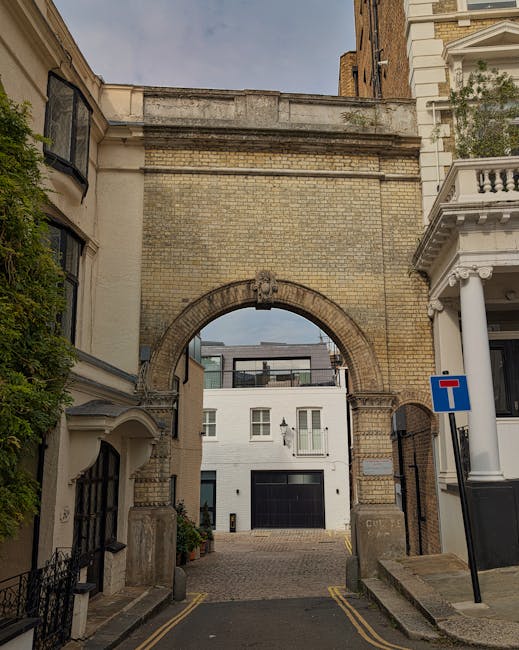
Moving in Kensington can be straightforward on paper and awkward in the real world. The boxes are packed, the lift is booked, the team is ready - and then the van has nowhere sensible to stop. That is the heart of parking access problems for Kensington removals what to know: the difference between a smooth moving day and one that turns into a long, frustrating shuffle across a busy street.
Kensington's roads are compact, heavily used, and often lined with resident bays, loading restrictions, narrow widths, and the occasional awkward corner that makes even an experienced driver pause. If you are moving from a flat near a high street, a townhouse with limited frontage, or an office tucked behind a busy parade, parking planning matters just as much as packing. In this guide, we'll walk through what these access problems look like, why they matter, how to handle them, and the common mistakes that can quietly add time, stress, and cost.
Why parking access problems for Kensington removals what to know Matters
Parking access is not just a convenience issue. It affects how long the move takes, how many trips the crew must make, whether bulky furniture can be loaded safely, and whether the removal vehicle can even reach the property at all. In a place like Kensington, those details can change the whole shape of the day.
Some streets have tight turning space. Some have suspended bays or loading windows. Some properties sit behind gates, in mews lanes, or just far enough from the nearest lawful stopping point that carrying everything by hand becomes slow and tiring. If you are moving a sofa, a wardrobe, or a piano, even a short extra distance matters. A lot. Especially when the weather is doing that classic London thing - light rain, then wind, then more rain.
There is also the knock-on effect. If the van cannot wait near the entrance, the crew may need more labour time, extra carrying distance, or a second parking arrangement. That can affect scheduling, safety, and sometimes the final invoice. For anyone comparing removal companies in Kensington, access handling is one of the most useful things to ask about, because a good team will factor it in before the first box is lifted.
Truth be told, parking issues are one of the easiest moving-day problems to overlook and one of the easiest to avoid if you plan early. That makes it worth taking seriously.
How parking access problems for Kensington removals what to know Works
When a removal team assesses access, they are looking at the route from van to front door and back again. It sounds simple, but there are several moving parts:
- Where the van can legally stop
- How far items must be carried
- Whether the street allows loading at your chosen time
- Whether there are height, width, or turning limitations
- Whether building management or neighbours need warning
In practical terms, a removal crew might need to park a little further away and use trolleys, shoulder straps, or extra staff to bridge the distance. Sometimes the best solution is timing: arriving early enough to secure a sensible position, or choosing a quieter window when local traffic eases off. Sometimes it is paperwork, such as arranging a temporary bay suspension or checking what the property management company allows. And sometimes, to be fair, the answer is simply using a smaller vehicle that can reach places a larger van cannot.
If you are booking a property-specific move, it helps to share access details upfront. Flat number, floor level, lift availability, street width, any resident permit zone, the nearest loading place, and whether there are steps at the entrance - those details can make a real difference. For flat moves, a page like flat removals Kensington can be a useful starting point when you are trying to judge how access will affect the day.
One small but important thing: access planning is not only about the van. It is about the full chain - parking, carry distance, protection for hallways, and the speed at which goods can be moved without bumping into another resident or blocking the pavement for too long. That's the bit people usually only understand after the first move. Then it clicks.
Key Benefits and Practical Advantages
Getting parking access right gives you more than convenience. It changes the entire feel of the move.
- Less time lost - the crew can load and unload efficiently instead of clocking up walking time.
- Lower stress - you are not negotiating with traffic, neighbours, or a panicking clock on moving day.
- Better item safety - shorter carry distances mean fewer chances for knocks and scrapes.
- Cleaner timing - easier access helps the team stay on schedule, especially if there is a key handover waiting.
- More accurate quotes - access details given early reduce the risk of surprise costs later.
There is also a slightly less obvious benefit: smoother access makes the whole process feel calmer for everyone involved. That matters if you are moving with children, elderly relatives, or a nervous pet who has already decided the hallway sounds suspicious. It also matters for large or fragile items. If you are moving a piano, for example, a poor parking position can create awkward angles before the instrument even reaches the van. In that case, specialised support such as piano removals Kensington can be the safer route.
For businesses, the advantage is even clearer. Office staff need fast turnaround, reception areas need to stay clear, and access interruptions can become expensive if they drag on. A well-planned parking setup keeps the move organised and much less disruptive.
Who This Is For and When It Makes Sense
This advice is for anyone moving in or out of Kensington, but some people benefit more than others.
- Flat movers dealing with limited on-street stopping space
- House movers on narrower residential roads or terraces
- Students moving quickly with lots of bags, boxes, and not much buffer time
- Office movers trying to keep disruption down during business hours
- Anyone with heavy items such as wardrobes, appliances, or fragile equipment
- People on a tight timetable who cannot afford delays around handover or key return
It also makes sense if you are using a smaller vehicle or a man and van Kensington arrangement, because compact vehicles can be a big advantage in tight streets, but only if they are placed thoughtfully. A large van parked badly is still a problem. A small van parked well is usually a relief.
Sometimes the question is not "Do I need to worry?" but "How much does access matter for this particular property?" If the answer is "quite a lot," you are better off planning early than improvising later. The latter sounds brave, but it rarely feels brave at 8:15 on moving morning.
Step-by-Step Guidance
Here is a practical way to handle Kensington parking access without turning the day into a guessing game.
- Map the property approach
Check the street layout, any one-way systems, and whether the front entrance faces a road with room to pause safely. - Identify the nearest legal stopping point
Look for loading bays, permit bays, or sections where temporary stopping is more realistic. If the property is near a busy commercial strip, this step matters even more. - Confirm restrictions in plain English
Ask about resident permits, time-limited loading, height barriers, and any shared access rules. Keep the wording simple. No one benefits from vague assumptions. - Tell the removal team everything upfront
That includes floor level, lift availability, side entrances, steps, gated access, and whether the van must remain a certain distance from the building. - Prepare the property itself
Move smaller items to one room, protect entry points, and clear the route from the front door to the packing area. - Choose the right vehicle and crew size
A tighter street may need a smaller van, a different stopping strategy, or extra hands for long carries. - Build in time for the unexpected
Traffic, school runs, deliveries, or a parked vehicle in the wrong place can happen. They do happen, actually.
If you are also dealing with larger domestic items, it may help to look at a dedicated service page such as furniture removals Kensington alongside the access plan. Furniture and parking are linked more closely than people think; a perfect internal route is only useful if the vehicle can support it.
For people who want broader support beyond the move itself, the main removal services Kensington page can also help you think through the whole process rather than just the loading bay question.
Expert Tips for Better Results
These are the small decisions that often separate a tidy move from a messy one.
- Share photos, not just descriptions. A quick image of the street, kerb, entrance, and any gate can tell a removal team far more than a long explanation.
- Book with the access problem in mind. Don't just book a van and hope the street behaves itself. That way lies regret.
- Consider morning or midweek slots. Kensington can feel especially tight at busier times, and a calmer window can improve parking chances.
- Keep permit details handy. If someone needs to display a permit, confirm who is responsible and where it should be placed.
- Use storage if the timing is awkward. If parking access and handover timing are both tricky, temporary storage can reduce pressure. Storage Kensington is worth considering when you need a buffer.
- Plan for one "bad weather" complication. Wet pavements, slippery stairs, and heavier loads make access problems feel twice as annoying.
One more thing: ask the team how they would handle the worst-case parking scenario. Not to be dramatic, just practical. Their answer usually tells you whether they have moved in Kensington before and whether they have a proper plan or a hopeful shrug.

Common Mistakes to Avoid
Most parking problems come from simple oversights, not disasters.
- Assuming a van can "just stop outside." In Kensington, that is often the least reliable plan of all.
- Forgetting about bay restrictions. Loading and parking rules are not the same thing, and they are easy to mix up under pressure.
- Not checking height or width limits. A route can look fine until a vehicle arrives and suddenly there is a problem at the final turn.
- Leaving access details until moving day. That is a classic late-night panic move. Avoid it if you can.
- Underestimating carry distance. A "short walk" with a sofa can feel very long indeed.
- Ignoring building management rules. Some properties have their own access procedures that matter even more than the street outside.
There is also the hidden-cost angle. If access is poor and the move takes longer than planned, the extra time can create pricing friction. That is why it is smart to read up on how to avoid hidden charges with Kensington removals before moving day lands. Nobody enjoys an invoice surprise. Nobody.
For same-day or emergency moves, the stakes are even higher. If you are already racing the clock, a parking snag can snowball fast. That is why the guidance in same-day emergency removals in Kensington and delay risks is especially relevant when time is tight.
Tools, Resources and Recommendations
You do not need fancy tools to plan access well, but a few practical resources and habits help a lot.
- Street photos taken on your phone
- A simple written summary of access restrictions and timings
- Floor plans or building notes if the move is for a flat or office
- Confirmation emails from building management, where relevant
- Boxes grouped by room so loading can happen faster once the van is parked
- Protective packing materials for items that will travel further from the property to the vehicle
If you are still preparing the contents of the move, the practical advice on packing and boxes Kensington can help you reduce the number of awkward trips and make access issues less painful. Better packing does not solve a parking shortage, of course, but it does make the whole process more efficient.
For a broader understanding of available support, the services overview is useful when you want to see how access, packing, transport, and storage can work together rather than as separate headaches.
Law, Compliance, Standards, or Best Practice
Parking and loading in London are shaped by local traffic rules, road markings, council-managed restrictions, and property-specific access arrangements. Rather than relying on memory or what "usually happens," check the actual rules that apply to your street and building. That cautious approach is the safest one.
Best practice usually means three things: stop only where it is lawful, keep access information clear, and avoid blocking pedestrians, driveways, or emergency routes. Removal teams should also work safely around the public, especially on busy streets where people are passing by with prams, shopping bags, bikes, or the sort of determined expression you only see in west London at lunchtime.
Insurance and safety also matter here. A crew that is insured and careful is much better placed to handle awkward access without cutting corners. If you want to understand how that side of the job is approached, insurance and safety is a sensible read. It is not glamorous, but it is the stuff that matters when a heavy item has to move through a tight gap without drama.
For anyone choosing a provider, policies and service terms can also help set expectations. Pages like terms and conditions and health and safety policy give you a clearer sense of how the job is handled, particularly when access conditions are less than perfect.
Options, Methods, or Comparison Table
Different access methods suit different property types. Here is a practical comparison.
| Approach | Best for | Advantages | Trade-offs |
|---|---|---|---|
| Direct kerbside parking | Quiet streets with legal stopping space | Fast loading, short carry distance, easier supervision | Not always possible in Kensington; may depend on timing |
| Loading bay or time-limited stop | Busy roads and short loading windows | Usually more workable in central locations | Needs careful timing and attention to restrictions |
| Long carry from legal parking | Streets with limited access | Still workable where stopping outside is impossible | Slower, more labour-intensive, higher physical effort |
| Smaller vehicle access | Narrow roads, mews, tight corners | Better manoeuvrability and easier positioning | May require more trips or careful load planning |
| Temporary storage plus staged move | Complex handovers or awkward timing | Reduces pressure and allows flexibility | Extra coordination and possible additional handling |
There is no single best option for every move. A ground-floor flat with sensible frontage will have very different needs from a second-floor apartment near a busy street or a business unit tucked behind a parade. If in doubt, think in terms of the shortest safe, legal route from van to door, not the shortest route in your imagination. Those two are often not the same.
Case Study or Real-World Example
Here is a typical Kensington-style moving scenario.
A resident is moving from a first-floor flat on a narrow street close to a busy shopping area. The building has no lift, the stairwell is tight, and the nearest obvious stopping point is a short distance away. On paper, it sounds manageable. In practice, it becomes much easier once the team knows the access conditions before arrival.
What worked well in this case was simple:
- The customer sent street photos the day before.
- The removal team chose a smaller vehicle rather than forcing a larger one into a tight approach.
- Boxes were grouped by room so loading could happen in one organised sequence.
- Fragile items were moved first while the route was still fresh and clear.
- A second plan was kept ready in case the first parking position was occupied.
The result was not magical. No fairy dust, no drama. Just a move that stayed steady because access was thought through properly. The customer did not have to stand on the pavement wondering why the van was circling the block, and the crew did not have to improvise with a heavy wardrobe and a lack of space. That is what good planning gives you: a boringly effective moving day, which honestly is the dream.
For people moving in especially busy or iconic parts of the area, the local guidance in moving out of W8 Kensington High Street removals guide and South Kensington SW7 flat removals and access tips can be a useful companion to this article.
Practical Checklist
Use this checklist before moving day. It keeps the parking side of things honest.
- Confirm the full property address and exact entrance used for loading
- Check whether the street has resident bays, loading restrictions, or time limits
- Identify the nearest sensible stopping point for the vehicle
- Tell the removal team about steps, lifts, gates, and tight hallways
- Share photos of the street and building entrance if possible
- Ask whether a smaller van or extra labour would be more practical
- Check any building management rules about move times or lift bookings
- Plan for weather, traffic, and a small delay buffer
- Keep parking permits or instructions ready if they are needed
- Group boxes and small items so the route in and out stays efficient
Expert summary: in Kensington, access is rarely an afterthought. The sooner you treat parking as part of the move rather than a side issue, the smoother everything else becomes.
Get a free quote today and see how much you can save.
Conclusion
Parking access problems for Kensington removals are common, but they are very manageable when you plan them properly. The key is to think beyond the van itself. Look at the street, the loading options, the building rules, the carry distance, and the kind of items being moved. Once those pieces are clear, the move becomes much more predictable.
That is really the main lesson here: Kensington removals are rarely difficult because of one big issue. They become difficult when a few small access problems stack up. Handle those early and you are already ahead. A little awkwardness on the pavement is normal; chaos is optional.
And if you want the whole thing to feel less like a scramble and more like a well-run day, start with access. The rest tends to follow.