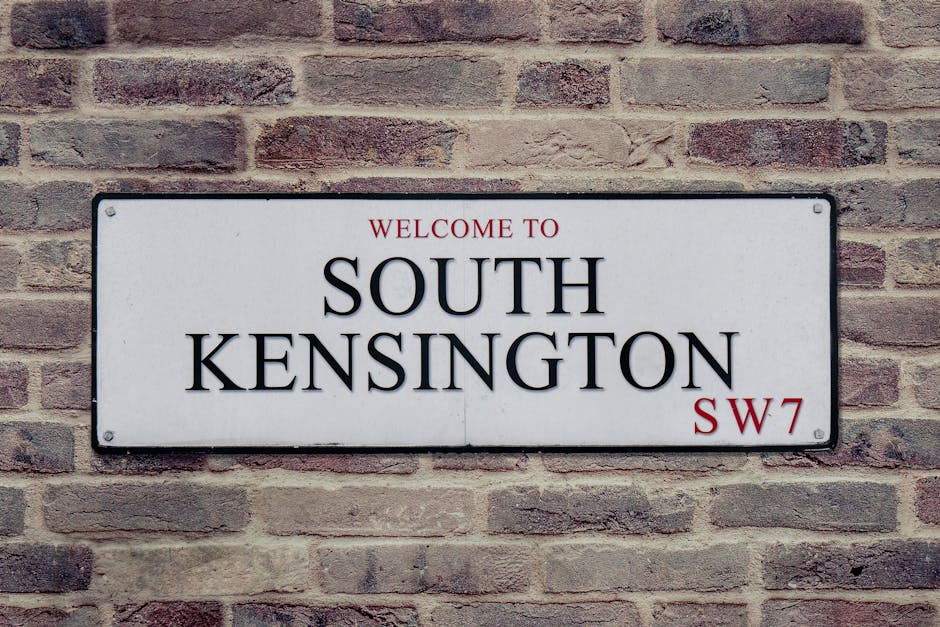
South Kensington SW7 flat removals and access tips
Posted on 07/05/2026
South Kensington SW7 flat removals and access tips: a practical moving guide for tight access, busy streets and tricky flats
Moving a flat in South Kensington SW7 can feel straightforward on paper and oddly complicated in real life. One minute you're measuring a sofa, the next you're wondering whether the van can stop, where the lift actually goes, and how on earth you'll get a bed frame past a narrow staircase without nicking the wall. That's exactly why South Kensington SW7 flat removals and access tips matter: the move itself is only half the job, while access planning, timing and communication usually decide whether the day feels calm or chaotic.
This guide breaks down what tends to trip people up in South Kensington, how to plan around local access quirks, and how to approach a flat move without turning it into a long, expensive scramble. If you are moving out, moving in, or helping a tenant or client relocate, you'll find practical advice here that makes the whole process a lot less stressful. To be fair, that is the real goal.

Why South Kensington SW7 flat removals and access tips Matters
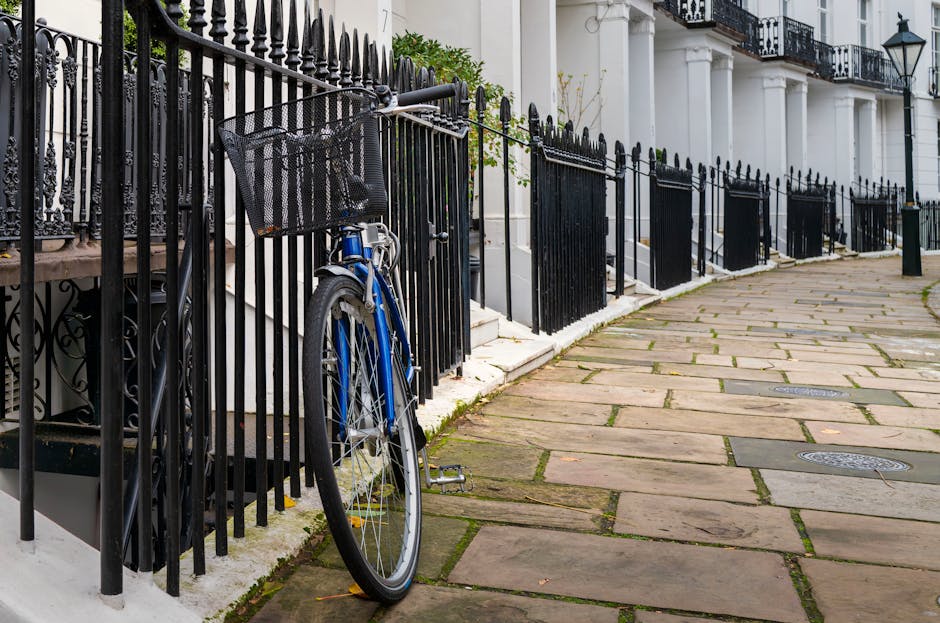
South Kensington is one of those London areas where the postcode tells you a lot before you even arrive. Beautiful terraces, mansion blocks, basement flats, converted buildings, estate-managed entrances, and a fair amount of controlled parking all combine to create a very specific moving environment. It is not difficult in the same way everywhere else is difficult; it is difficult in its own tidy, elegant, slightly awkward way.
The access side matters because removal teams are often dealing with more than just a front door. There may be narrow internal stairs, low railings, small lifts, awkward corners, shared entrances, residents' parking restrictions, and time windows that must be respected. Miss one detail and you may end up paying for extra labour time, waiting around for a parking spot, or carrying items farther than expected.
For residents, landlords, tenants and buyers, good planning also reduces damage risk. A scratched banister or bent wardrobe door becomes surprisingly easy to avoid when the route is mapped in advance. And yes, this is the sort of move where a few minutes spent checking access can save a whole afternoon later.
If you want a broader sense of the area and how daily life shapes moving logistics, the local context covered in this guide to living in Kensington is useful reading too.
How South Kensington SW7 flat removals and access tips Works
The practical approach is simple: assess the building, understand the route, match the vehicle to the space, and plan the move around the local rules. In South Kensington, that usually means looking at the property from street to flat, not just the flat itself.
A proper access check normally covers a few things:
- street width and likely van stopping position
- parking restrictions and loading possibilities
- distance from van to entrance
- stairwell width, ceiling height and corners
- lift size, availability and booking rules
- building entry controls, porter hours or concierge procedures
- furniture that may need dismantling before moving day
Once that picture is clear, the removal can be matched to the property. Sometimes a man and van service in Kensington is enough for a smaller flat or a lighter load. Other times, especially with larger flats or higher-value contents, a more structured flat removals service makes more sense.
In practice, the best removals are not the ones that look dramatic. They are the ones where the movers arrive, park legally, protect the property, and get the job done without fuss. Quiet competence. Lovely stuff.
Key Benefits and Practical Advantages
Good access planning does more than prevent inconvenience. It changes the whole shape of the move.
- Less downtime on moving day: fewer delays while the crew waits for parking, lifts or keys.
- Lower risk of damage: items are carried through a route that has already been checked for tight spots and fragile surfaces.
- Better cost control: shorter carrying distances and fewer complications can help keep labour time more predictable.
- More suitable vehicle choice: the right van means fewer awkward shuttles and less repeated lifting.
- Smoother building relations: neighbours, concierges and managing agents tend to appreciate a move that feels organised.
There is another benefit that people often underestimate: peace of mind. A move in South Kensington can feel a bit like threading a needle if you are not prepared. Once you know where the vehicle can stop, how the sofa gets out, and who is opening the door at the other end, the day feels much more manageable.
For items that need extra handling, such as large wardrobes or delicate tables, it can also help to look at furniture removals in Kensington so you can plan protective wrapping and dismantling in advance.
Who This Is For and When It Makes Sense
This kind of planning is useful for a wide mix of people, but it is especially relevant if you are moving in or out of a flat in South Kensington SW7 with any of the following characteristics:
- no private driveway or easy front-of-building parking
- a basement, top-floor or split-level layout
- an older building with narrow stairs
- a shared entrance or concierge-controlled access
- bulky furniture, white goods or fragile items
- a short moving window between tenancies
- student accommodation or furnished rental turnover
It also makes sense if you are a landlord arranging a tenant changeover, a letting agent coordinating keys, or a homeowner who just wants the day to stay orderly. If you are dealing with a tight deadline, you may also find same-day removals in Kensington useful, though booking ahead is usually the calmer option.
And if your move involves a particularly valuable or awkward piece, say a piano in a period flat, that is a different conversation again. The advice on piano removals in Kensington is worth checking before anyone tries to "just carry it down carefully" and hopes for the best. That rarely ends well, truth be told.
Step-by-Step Guidance
Here is a sensible way to approach a South Kensington flat move without missing the practical details.
1. Check the property access first
Start with the building itself. Measure stair width, note turn angles, and check whether the lift can actually fit the items you need to move. In some flats, the lift is fine for boxes but useless for a wardrobe or a sofa arm. You do not want to find that out at 8:30 on a Tuesday morning with everyone staring at a landing.
2. Understand parking and loading conditions
South Kensington streets can be busy, and parking rules can be unforgiving. Look at where a van can legally stop, how far it is from the entrance, and whether you need to arrange temporary loading access. If your move depends on a short loading bay window, build some margin into the schedule. A van arriving exactly on time is great. A van that can stop exactly where you hoped is even better.
3. Confirm building rules and timings
Some properties require advance notice, use of a service entrance, or a booking for lift use. If a concierge or managing agent is involved, ask what they need from you and when. Small thing, big consequence. A lack of notice can create avoidable friction on the day.
4. Sort the furniture before move day
Dismantle what you reasonably can, bag the fixings, and label them clearly. Flat-pack furniture may still need to be partially taken apart. Bulky pieces might need door removal or protective wrapping. If you need extra boxes or bubble wrap, packing and boxes in Kensington is a handy place to start.
5. Decide what needs special handling
Not everything should travel the same way. Mirrors, artwork, glass tables, monitors and antique pieces all need more care than a stack of books. If you are unsure, separate them early and tell the removals team. A clear list beats a last-minute surprise. Always.
6. Prepare a simple moving-day sequence
Plan the order: what leaves first, where the van parks, who holds keys, who meets the movers, and where each item is going at the destination. The more you can reduce guesswork, the smoother the process will feel.
7. Build in a little breathing room
London timings can wobble because of traffic, lift access, or building handover delays. Leave space for the unexpected. Not lots. Just enough that one small hiccup does not become the whole story of the day.
Expert Tips for Better Results
A few small choices make a disproportionate difference in South Kensington. These are the bits people often learn the hard way.
- Photograph the route: a quick set of pictures of the hallway, stairwell and entrance can be helpful when briefing movers.
- Measure the awkward items, not just the big ones: lamps, headboards and sofa arms cause more access issues than people expect.
- Use clear labels: mark boxes by room and priority, especially if you are moving into a flat with limited storage space.
- Keep essentials separate: passports, chargers, kettle, toiletries and keys should not disappear into the main load.
- Tell the team about every access quirk: buzzer systems, back entrances, codes, lifts that need a key, that sort of thing.
One practical local tip: if your building has a porter or concierge, a friendly heads-up can help more than you might think. It sounds obvious, but the difference between "we weren't expecting you" and "yes, the service lift is ready" is huge.
If you are comparing service levels, the broader removal services overview is a good way to understand what can be arranged for a flat move versus a heavier, more involved relocation.
And if your move is a bit more delicate from a safety perspective, the guidance on insurance and safety is worth a look before the first box is lifted.
Common Mistakes to Avoid
Most flat move problems are avoidable. The same mistakes appear again and again, especially in busy parts of London.
- Assuming the van can park right outside: in South Kensington, that is not something to take for granted.
- Forgetting to check stair turns: a sofa that fits the door may still fail at the landing.
- Leaving access questions until the morning of the move: by then, small issues can become expensive delays.
- Not telling movers about fragile or heavy items: that leads to the wrong equipment or the wrong number of people.
- Overfilling boxes: especially with books. Your back will remember, even if your spreadsheet doesn't.
- Ignoring building rules: noisy corridors, blocked entrances and missed booking times can all create avoidable problems.
A quieter but important mistake is underestimating emotional load. Moves are practical, yes, but they are also tiring and a bit disorienting. A calm plan helps more than people admit. It just does.
Tools, Resources and Recommendations
You do not need a mountain of equipment to move a flat well, but a few tools and resources make life easier.
- Measuring tape: for doors, furniture and stairwells.
- Phone camera: for documenting access routes and any existing marks before moving.
- Labels and marker pens: for box contents, room names and priority tags.
- Protective wrapping: blankets, covers, stretch wrap and corner protection for furniture.
- Strong boxes: use good-quality packing materials rather than overused leftovers.
- Contact list: building manager, concierge, landlord, removals team and anyone holding keys.
For people who want help with vehicle sizing or short-distance transport, a removal van in Kensington can be a practical fit for smaller loads. If you need a more flexible, hands-on option, man with a van in Kensington is another common route for flat moves with limited access.
For larger households or more complex relocations, it may be wiser to compare removal companies in Kensington and look at the level of support each one provides. Bigger does not always mean better, but for some SW7 flats, it does mean easier.
Law, Compliance, Standards and Best Practice
For most flat removals, the main compliance issues are practical rather than dramatic: parking rules, access permissions, building policies and safe working practices. That said, you should still treat them seriously.
In London, parking restrictions and loading rules can vary by street and time of day, so it is wise to check local signage and make sure any arrangements are understood before the vehicle arrives. If your building has its own move policy, follow it. That may include booking lifts, using service entrances, protecting communal floors, or keeping noise down during certain hours.
On the removals side, good practice usually includes:
- clear communication about access and timing
- careful handling of fragile and heavy items
- appropriate lifting techniques and team size
- insurance awareness before transport begins
- respect for shared spaces, neighbours and building management
If you want reassurance on the company side, it is sensible to review pages such as health and safety policy, terms and conditions, payment and security, and accessibility information. Those pages help you understand how a provider works, which is useful before anyone starts lifting heavy furniture through a tight hallway.
Best practice is not about being fussy. It is about reducing risk and making sure everybody knows what is expected. Simple, really.
Options, Methods and Comparison Table
Different flat moves call for different approaches. The right method depends on how much you are moving, how awkward the access is, and how much help you want on the day.
| Option | Best for | Advantages | Watch-outs |
|---|---|---|---|
| Man and van | Smaller flat moves, lighter loads, short distances | Flexible, often efficient, useful where access is tight | May be less suitable for very large or highly delicate moves |
| Full flat removals service | One- and two-bedroom flats, fuller inventories, awkward furniture | More support, better for handling access challenges | Usually needs more planning and may cost more |
| Self-move with hired transport | Very small moves and confident DIY movers | Potentially lower direct cost | More physical work, more risk, and access issues can become your problem |
| Storage plus staged move | Delayed handovers, refurbishments, space gaps | Good when dates do not align neatly | Extra handling and planning required |
For some households, storage is the smartest bridge between leaving one flat and entering another. If your chain is messy or the new place is not ready, storage in Kensington can keep the move from becoming a panic job.
And if the move is especially focussed on one part of the home, such as a single room or a few larger pieces, house removals in Kensington can still be relevant because teams often handle mixed property types and access requirements.
Case Study or Real-World Example
Imagine a second-floor flat off a quiet South Kensington street. The building has a small lift, but it only takes boxes and smaller pieces. The sofa is too long for the lift, the dining table needs its legs removed, and the street outside is narrow with limited stopping space. Not unusual at all.
The move goes well only after three decisions are made early:
- the van is scheduled for a loading-friendly time slot
- the table is dismantled the night before
- the movers are told in advance about the narrow stair turn and small lift
Without that preparation, the team would likely spend extra time reworking the route, carrying furniture by hand for longer distances, and possibly waiting for access. With it, the move stays focused and tidy. Boxes go first, furniture follows, and the flat is cleared without much drama. A bit of noise, a few door stops, the usual hallway shuffle. Then done.
That is the real lesson with SW7 flat moves: the building almost always tells you what it needs if you listen early enough.
Practical Checklist
Use this checklist a few days before moving, then again on the morning of the job.
- confirm the moving date and access times
- check parking or loading options near the property
- measure large furniture and tight doorways
- book lift access or notify building management if needed
- wrap fragile items and separate essential belongings
- label boxes by room and priority
- keep keys, codes and contact numbers easy to reach
- tell the removals team about anything heavy, fragile or awkward
- prepare floor protection if requested by the building
- plan for a small timing buffer in case traffic or access slows things down
Expert summary: if you do only three things well, make them access checks, furniture measurements and building communication. Those three alone remove a surprising amount of risk from a South Kensington flat move.
If you are comparing providers or planning the next stage of your move, pricing and quotes can help you understand what to ask for, while about us is useful if you want to know more about the team behind the service. You can also explore removals in Kensington for a broader overview of local moving support.
Conclusion
South Kensington SW7 flat removals are rarely difficult because of the boxes alone. They are difficult because of access, timing, parking, stairs, building rules and the tiny details that are easy to miss until they become expensive. Once you plan those details properly, the move feels very different. More controlled. Less frantic. Much kinder on your day.
Whether you are moving a compact rental flat, a furnished apartment, or a more valuable period property, the winning formula is the same: measure carefully, communicate early, choose the right moving method and give yourself a bit of room for the unexpected. It sounds simple because it is. Not easy, exactly. But simple.
Get a free quote today and see how much you can save.
And if you are still weighing up the local picture, the articles on Kensington's charm and moving near Kensington Palace offer a bit more neighbourhood context. Sometimes that helps more than you expect.