Same day emergency removals in Kensington and delay risks
Posted on 10/06/2026
When a move suddenly becomes urgent, the pressure is very real. A boiler issue, a tenancy deadline, a last-minute property handover, or a sudden change in plans can leave you needing same day emergency removals in Kensington and delay risks you did not budget for. In a place like Kensington, where access can be tight and timing matters, even a small delay can ripple through the whole day.
This guide explains how emergency removals work, what tends to slow them down, and how to reduce the chance of problems before they start. If you are trying to move quickly without turning the day into chaos, the main thing is simple: plan the first hour properly, and the rest becomes much easier. Let's face it, nobody wants to be standing on a pavement with half-packed boxes and a growing sense of panic.
We'll cover the practical realities, the hidden delay risks, the best ways to prepare, and when a quick local team is the smarter option. If you are comparing services, it can also help to understand the wider range of support available through the services overview and the specific benefits of same day removals in Kensington.
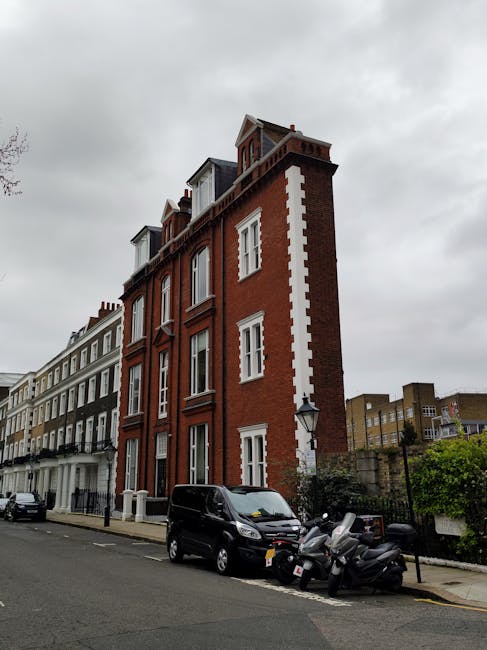
Why Same day emergency removals in Kensington and delay risks Matters
Emergency removals are not just about speed. They are about managing uncertainty under time pressure, and that is where delay risks become the real issue. In Kensington, you may be working around narrow streets, limited loading space, busy traffic, apartment access rules, lift timings, and neighbours who are not thrilled about a van outside their building. It sounds minor until you are already late.
The reason this matters so much is that delays in a same-day move rarely stay small. Ten minutes lost finding parking can become thirty minutes lost waiting for building access. A missing key, a forgotten parking restriction, or a lift booking that was never confirmed can quickly push the move into the next part of the day. And once the day slips, stress climbs fast.
There is also a financial side. If the move overruns because items were not ready, the vehicle was too small, or access was blocked, you may need an extra trip, longer labour time, or short-term storage. If you want a clearer view of how timing and scope affect cost, it is worth reviewing the company's pricing and quotes guidance before you commit.
For many residents, the main risk is not the removal itself. It is the gap between what they assumed would happen and what a real-world London move actually needs. That is the gap this article is meant to close.
How Same day emergency removals in Kensington and delay risks Works
A same-day emergency move usually follows a compressed version of the normal removal process. The difference is that every step has to happen faster, cleaner, and with fewer moving parts. First, you make contact and explain the situation clearly: what needs moving, from where, to where, and by when. The more specific you are, the better the team can judge vehicle size, crew numbers, and access requirements.
Next, the operator will assess whether a man with a van, a larger removal van, or a fuller removal service is the most sensible option. For lighter loads, a flexible man with a van in Kensington or man and van service may be enough. For flats, houses, or fuller inventories, a more structured option such as house removals or flat removals may reduce risk because the team can bring the right equipment first time.
Then comes the practical coordination. This is where delays are often born. The moving team needs to factor in access, loading distance, stairs, parking, and any items needing special handling. If you have a piano, for example, it is not something to leave as a last-minute surprise. The right approach is to mention it immediately and use a dedicated option such as piano removals in Kensington.
Finally, the team arrives, loads in a sensible order, and heads to the destination. That sounds straightforward, but truth be told, emergency moves succeed when people communicate like adults under pressure. Clear instructions, reachable phone numbers, correct addresses, and a little flexibility. That is the formula.
Where delay risks usually appear
- Access problems at the pickup or destination
- Parking or loading restrictions
- Underestimating the amount of furniture
- Fragile or awkward items that need extra care
- Building rules, lift bookings, or key handover delays
- Poor packing that slows loading and unloading
- Traffic and route disruption in central London
In practice, delays are usually a chain reaction, not one big disaster. The good news is that most of them are preventable.
Key Benefits and Practical Advantages
The obvious benefit of a same-day emergency move is speed. But speed on its own is not the whole story. The real value is avoiding knock-on damage: missed deadlines, extra storage fees, stress with landlords, or having to sleep in a property that is no longer workable.
In a busy area like Kensington, quick action can also help preserve access windows. Some buildings only allow moving during specific hours, and some streets are simply easier at certain times of day. If you can secure a prompt slot, you may avoid the awkward situation of waiting until late afternoon with boxes still not out. Nobody enjoys that.
There are other benefits too:
- Reduced disruption: you can get back to normal life faster.
- Less dwell time in the old property: useful when checkout or handover timing is tight.
- Better control of urgent situations: especially after unexpected repairs or tenancy changes.
- Potentially lower stress overall: one coordinated move is often easier than improvising across several days.
- Local knowledge helps: a team familiar with Kensington streets and access quirks can save time in small but meaningful ways.
There is a subtle point here. Emergency removals are not always about emergencies in the dramatic sense. Sometimes they are just poorly timed normal moves. Maybe the lease ended earlier than expected. Maybe the seller's timetable shifted. Maybe you have a small flat and a few hours only. Same-day support can turn a near-disaster into a manageable day.
If you are dealing with specialist items or a mix of furniture that needs careful protection, it may also help to look at furniture removals in Kensington and the company's approach to insurance and safety. Those two things matter more than people think when time is short.
Who This Is For and When It Makes Sense
Same-day emergency removals are not for every move. But for the right situation, they are exactly what you need. The most common cases are fairly easy to spot once you look at them honestly.
Typical situations where urgent removals make sense
- A tenancy or checkout deadline has moved up
- A landlord, agent, or building manager has given short notice
- A property handover has been rearranged and items must leave quickly
- You need to clear a flat after a repair, leak, or maintenance issue
- You are relocating a small office or equipment load at short notice
- You need to move student belongings between addresses fast
For example, a student leaving a Kensington rental at the end of term may not need a huge removal crew, but may still need fast help to get boxes, bags, and furniture out before the cut-off time. In that case, student removals in Kensington can be a practical fit.
Likewise, if you are moving from a compact apartment, you do not always need the largest vehicle. A smaller, responsive service may be enough, provided access is simple. If the move is part of a broader relocation, the broader removal services in Kensington page gives a useful sense of what can be arranged.
Where it may not make sense is when the move is bulky, fragile, and highly staged, but you have no flexibility at all on timing. In those cases, same-day is still possible, but you should treat it as a risk-managed move rather than a quick dash. That distinction matters.
Step-by-Step Guidance
If you need to move today, the best thing you can do is break the job into a sequence. Big emergency moves become smaller when you stop thinking of them as one overwhelming thing.
- Confirm what absolutely has to move today. Separate essentials from items that can wait. Be ruthless. If a lamp or plant can stay, leave it.
- Measure and list the bulky items. Sofas, wardrobes, beds, desks, mirrors, and white goods should be counted properly. "A few things" is not enough.
- Check access at both addresses. Note stairs, lifts, entry codes, parking restrictions, and any loading bay rules.
- Choose the right moving format. Small loads may suit a van-based service, while larger or awkward moves may need a more full-service approach.
- Pack only what is safe to travel. Loose items, open liquids, and unsealed boxes are a headache you do not need.
- Keep key documents and valuables aside. Passport, keys, charging cables, medication, and work devices should travel with you.
- Communicate the full picture early. Last-minute details are where delays sneak in. Mention everything upfront, even if it feels minor.
- Stay reachable. On the day, answer your phone. Sounds obvious, but it saves a surprising amount of time.
If you are still packing when the van should be on the way, pause and sort the load logically. Heavy items first, fragile items later, and anything you may need immediately at the end should be kept separate. One small thing, but it helps.
For moves involving boxed household goods, the right packing materials and method make a huge difference. A quick review of packing and boxes in Kensington can save you from the classic "where did all the tape go?" moment at 8:15 in the morning.
Expert Tips for Better Results
Here's the quiet truth: emergency removals go better when the customer acts like a project manager for the day. Not cold, not bossy. Just organised.
What helps most in real life
- Send photos early. A few clear pictures of rooms, stairs, entrances, or large items can be more useful than a long explanation.
- Be honest about the load. Understating the volume is one of the fastest ways to create delay risk.
- Prepare a loading route. If the front entrance is awkward, think about how the furniture actually gets out.
- Label fragile items clearly. No need for perfection, just enough to stop a box of glassware being treated like old magazines.
- Have a backup plan. If access fails or the handover slips, a storage option may be the safest fallback.
That last point deserves emphasis. Sometimes the smoothest same-day move is not a direct move at all. A short stop in storage can remove pressure and prevent damage. If that is relevant, look at storage in Kensington as part of your contingency thinking.
Also, do not forget payment and administration. In an urgent situation, people tend to focus on the van and ignore the small print. Then they get annoyed later. Better to understand the basics early through payment and security and keep the process tidy from the start.
One more practical tip: if you know a large item is delicate, awkward, or unusually heavy, mention it immediately rather than assuming it will "probably be fine." Probably is not a planning method.

Common Mistakes to Avoid
Most delay risks are caused by avoidable mistakes. Not all, of course. London traffic is London traffic. But a good share of same-day stress comes from simple oversights.
- Leaving packing until the last minute. A half-packed flat always takes longer than expected.
- Forgetting building access rules. If the lift has to be booked, book it.
- Not checking vehicle access. Narrow streets and parking pressure can change the whole plan.
- Choosing the wrong service level. A small van can be perfect, until it is not.
- Failing to flag specialist items. Pianos, antiques, and very heavy furniture need advance notice.
- Assuming everything will fit first time. This is how people end up making two trips instead of one.
There is also the hidden-cost mistake. A rushed move can tempt people into accepting whatever seems easiest. But if the move is poorly scoped, you may end up paying for extra time, extra mileage, or extra help. If you want to avoid that trap, it is worth reading the company's advice on avoiding hidden charges with Kensington removals.
And one more, because it happens a lot: people forget how tired they will be by midday. A move that feels manageable at 7:30 a.m. can feel much bigger after three hours of lifting, unlocking doors, and answering messages. Be kind to your future self.
Tools, Resources and Recommendations
You do not need a box full of fancy equipment to manage an urgent move, but a few basics help more than you might expect.
Useful moving basics
- Strong boxes in a few consistent sizes
- Packing tape and a tape dispenser
- Marker pens for room labels
- Blankets or furniture covers
- Bags for loose items and cables
- A phone charger or power bank
- Keys, access codes, and contact numbers written down
A small handwritten note with the new address, access instructions, and a contact number can be surprisingly useful when things are moving quickly. Screens die. Reception disappears. A scrap of paper never does.
From a service perspective, you may want to compare the general support options through removals in Kensington, removal companies in Kensington, or a more nimble man and van in Kensington setup, depending on the scale of the job. There is no universal best option. It depends on how much needs moving, how quickly, and how awkward the access is.
If you need a deeper look at the broader picture of moving support, the page on removal van options in Kensington is useful for understanding how vehicle choice affects the day.
Law, Compliance, Standards, or Best Practice
For urgent removals, the compliance side is less about legal drama and more about good practice. In the UK, removal work typically sits alongside ordinary duties around safe lifting, fair trading, vehicle roadworthiness, and respecting building or parking rules. Exact obligations depend on the circumstances, but the practical principle is straightforward: the move should be safe, transparent, and properly arranged.
Best practice usually includes:
- Clear service descriptions before the move starts
- Honest discussion of access and loading conditions
- Appropriate handling of fragile or heavy items
- Respect for tenant, landlord, and building requirements
- Reasonable attention to safety during lifting and transport
- Transparent communication about any extra time or complications
For customers, the safest habit is to make sure you have read the relevant terms and understand what is included. That is especially true in emergency situations, where people can agree to things too quickly because they are stressed. If you want to review the practical side carefully, the pages on terms and conditions and health and safety policy are worth a look.
Insurance matters too. Not because something is expected to go wrong, but because if it does, you want a clear framework. That is especially sensible when timing is tight and there is less room for careful rescheduling.
Options, Methods, or Comparison Table
Choosing the right type of urgent removal help is often the difference between a smooth day and a messy one. The table below compares common approaches in plain language.
| Option | Best for | Strengths | Watch-outs |
|---|---|---|---|
| Man with a van | Smaller loads, short-notice moves, flexible timing | Fast to deploy, often practical for a few rooms or a flat move | Can be tight on space if the load is underestimated |
| Removal van with crew | Medium or bulkier loads, furniture-heavy moves | Better for heavier items and more structured loading | May need more preparation and clearer access info |
| Full removal service | Larger homes, offices, complex moves | More support, more capacity, less pressure on you | Usually needs more lead-in and coordination |
| Temporary storage plus move | When access, timing, or handover is uncertain | Reduces pressure and prevents rushed decisions | Adds an extra stage to the move |
If your move is around a flat in a busy part of the area, a more tailored service can make a real difference. For example, readers often find the access-focused advice in South Kensington SW7 flat removals and access tips helpful because it reflects the kind of tight access and timing issues that cause avoidable delays.
Case Study or Real-World Example
A typical emergency scenario looks something like this. A resident in Kensington learns late in the morning that they need to clear a flat before the evening because building access will be interrupted the following day. They have furniture, clothing, boxed books, a mirror, and a couple of awkward items that were not really planned for. Nothing dramatic. Just enough to make the day feel uphill.
What usually saves the situation is not magic. It is sequence. They send a clear list of items, share photos of the largest pieces, confirm access details, and sort out what stays and what goes. The moving team arrives with a vehicle that fits the job, loading is done in a sensible order, and the items go first to the new address or, if needed, into storage. The day is still busy, of course. But it stays controlled.
The delay risk in that example would have been highest if the resident had waited until the last hour to mention the mirror, ignored the lift booking, or assumed parking would sort itself out. Those three things alone can eat an afternoon. Easy to say after the fact, I know.
This is also why location-specific experience helps. Moves near Kensington High Street, older mansion blocks, or busy apartment buildings benefit from local knowledge. If you want a better sense of how street-level conditions affect timing, the guide to moving out of W8 Kensington High Street removals offers a useful local lens.
Practical Checklist
Use this checklist if you are trying to organise a same-day move and want to reduce delay risk without overthinking it.
- Confirm the move date and deadline in writing or by message
- List every large or awkward item
- Check access at both addresses
- Note stairs, lifts, and parking restrictions
- Separate essentials, valuables, and documents
- Pack fragile items carefully and label boxes
- Tell the moving team about specialist items early
- Keep your phone charged and nearby
- Have a fallback plan if access changes
- Review pricing, payment, and terms before the move begins
Quick rule of thumb: if any part of the move is uncertain, mention it straight away. Most delays start with "I thought that was obvious." It usually wasn't.
For readers comparing services or planning a more structured move after the emergency has passed, the page on about us can help you understand the company approach, while recycling and sustainability is useful if you are clearing unwanted items responsibly.
Conclusion
Same day emergency removals in Kensington and delay risks are really about control under pressure. The move itself may be urgent, but the process does not have to feel chaotic. If you prepare the load carefully, communicate the awkward details early, and choose a service that fits the actual size of the job, you can avoid most of the common problems.
In Kensington especially, the small things matter. Access, parking, timing, and item size can turn a simple move into a frustrating one if nobody is watching them closely. The good news is that these risks are manageable. Not always glamorous, but manageable.
If you are facing a move today, focus on the essentials first, keep your expectations realistic, and ask for the right level of help before the clock starts slipping. That approach usually saves more time than rushing ever will.
Get a free quote today and see how much you can save.
And if the day feels a bit too full, that is normal. Take the next step, then the one after it. Moving goes better that way.