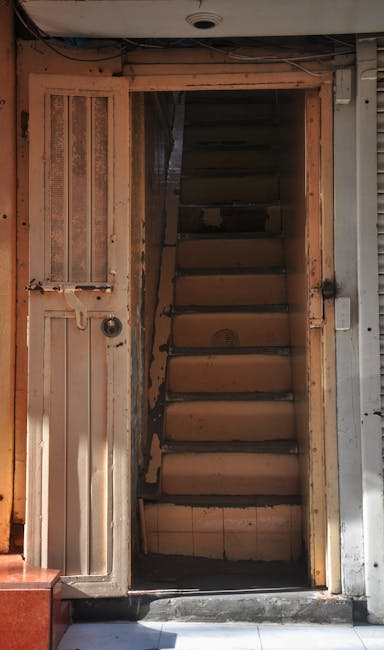
Staircase and narrow doorway challenges for Kensington removals
Posted on 26/06/2026
Kensington moves have a habit of looking straightforward on paper and then becoming a little more interesting once the front door opens. A tight turn on the landing, a bannister in the wrong place, a doorway that seems to shrink by the minute when you are carrying a sofa-sound familiar? Staircase and narrow doorway challenges for Kensington removals are common in period flats, converted townhouses, mansion blocks, and even some modern buildings where access was never really designed with large furniture in mind.
This guide breaks down what those access challenges mean in real life, why they matter, and how to plan a safer, calmer move. You will also find a practical checklist, expert tips, a comparison table, and a realistic example of how access planning can save time, money, and a fair bit of frustration. If you are moving a sofa, a wardrobe, a piano, or a box pile that has somehow multiplied overnight, this is for you.

Why Staircase and narrow doorway challenges for Kensington removals Matters
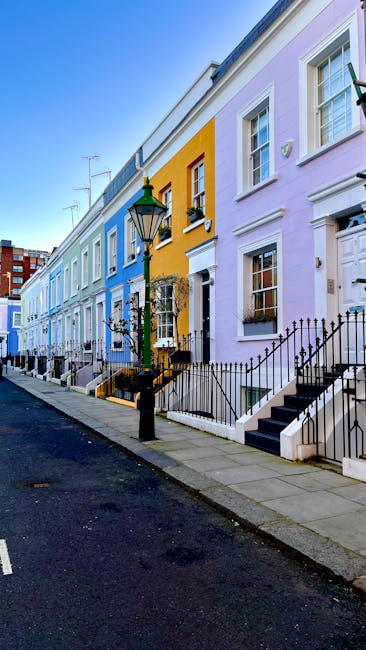
In Kensington, access is often the difference between a move that feels organised and one that spirals into delays. The area has plenty of elegant older properties, but elegance and removal-friendly design are not always the same thing. Many staircases are steep, curved, split-level, or narrower than they first appear. Door frames can be tight, hallways can twist unexpectedly, and communal entrances sometimes leave very little room to manoeuvre.
Why does this matter so much? Because access problems affect almost every other part of the job: the size of van needed, how many movers are required, whether items need dismantling, how long loading takes, and whether specialist lifting equipment or temporary storage is worth considering. A move that seems affordable at quote stage can become costly if access was underestimated. Truth be told, that is where a lot of avoidable stress starts.
It also affects safety. Carrying heavy furniture down a cramped staircase is not just awkward; it increases the risk of scrapes, knocks, dropped items, and back strain. In homes where walls are close and turns are tight, one rushed decision can damage both the item and the property. If you have ever heard a wardrobe catch the edge of a door frame, you know the sound. Not ideal.
If you are planning a flat move, it can help to look at related guidance such as flat removals in Kensington and this practical piece on South Kensington SW7 flat removals and access tips. Those pages sit well alongside access planning because staircase issues rarely happen in isolation.
How Staircase and narrow doorway challenges for Kensington removals Works
Good access planning starts before the van arrives. A removals team will usually look at the route from property to vehicle and identify the pinch points: stairs, turns, ceilings, door widths, lift availability, communal corridors, and any obstructions such as tight entry gates or internal railings.
In practical terms, the process usually works like this:
- Measure the furniture and the route. Not just the item height or width. You also need the diagonal measurement, because many items can be tilted or rotated to pass through a space.
- Check the staircase shape. Straight stairs are one thing. Curved stairs, split landings, and tight quarter-turns are another story altogether.
- Assess the doorway clearance. A doorway can look wide enough until the item is actually turned to the angle needed.
- Decide whether to dismantle. Beds, wardrobes, desks, and some shelving units often move better in parts. Sometimes that is the sensible route, sometimes not.
- Plan the carry path. This includes floors, rugs, landings, and any communal areas that need protection.
- Choose the right moving method. Depending on the item, that may mean shoulder straps, furniture dollies, sliders, wrapping, team lifting, or occasional specialist handling.
The important point is that removal work is not only about muscle. It is geometry, timing, and common sense. And a little patience, obviously.
For heavier or more awkward items, planning may need to sit alongside other services like furniture removals Kensington, piano removals Kensington, or even temporary storage in Kensington if the access problem makes a same-day transfer unrealistic.
Key Benefits and Practical Advantages
Planning around staircases and narrow doorways may sound like admin, but it pays back in very real ways.
- Less damage risk. Measured access means fewer scratches on walls, bannisters, and furniture edges.
- Safer handling. Teams can use the right lifting method instead of improvising at the top of a staircase. That matters more than people think.
- Cleaner time estimates. Once the access route is understood, arrival times and loading windows become much more reliable.
- Better vehicle planning. If the access is tight, a smaller van or shuttle runs may actually be more efficient than forcing a large vehicle into a poor setup.
- Smarter packing. When movers know the route is awkward, they can advise which items should be broken down or packed separately.
- Fewer surprises on moving day. Nobody enjoys discovering a sofa will not clear the landing after everyone is already on site.
One of the biggest benefits is emotional, really. Once access has been mapped properly, the move feels less like a gamble. You stop worrying about what might happen and start dealing with what is actually in front of you.
If you are comparing moving options, the wider service picture matters too. Pages like removal services Kensington, man and van Kensington, and removals Kensington can help you think through the right scale of support for the property you are in.
Who This Is For and When It Makes Sense
This kind of planning is especially relevant if you live or work in a Kensington property with older architecture, converted layouts, or limited internal space. In practice, that often means:
- people moving from upper-floor flats with no lift
- tenants in period conversions with steep stairs
- homeowners moving larger furniture through elegant but narrow front halls
- students carrying beds, desks, and storage units into compact rooms
- office teams relocating archive cabinets, desks, and IT equipment
- anyone moving an awkward item like a grand piano, heavy mirror, or oversized wardrobe
It also makes sense if you are on a tight timetable. When a move has to fit around keys, building access, or a lease deadline, access uncertainty becomes a real problem quickly. If you are in that situation, it may be worth looking at same day removals Kensington, but only once the access route has been properly assessed. Same-day speed is useful, yes, but not if the stairs are the bottleneck.
Students especially tend to underestimate this. A mattress that looked light in the flat can feel completely different on a narrow staircase after two turns and a landing that is barely wider than a suitcase. That is just life, I suppose.
Step-by-Step Guidance
Here is a practical way to handle staircase and doorway challenges before moving day.
- Walk the route in advance. Start at the item location and follow the exact path to the van. Note every turn, low ceiling, rail, and bottleneck.
- Measure the tight spots properly. Measure door width, stair width, landing space, and item dimensions. If possible, note the diagonal width of large items.
- Identify what can be dismantled. A bed frame or modular wardrobe can often be made far easier if it is split into manageable parts.
- Pack awkward items separately. Loose shelves, mirrors, lamps, and small fittings are easier to carry when they are boxed and labelled.
- Protect surfaces. Use blankets, corner protectors, and wrapping where needed. In shared buildings, this is not just polite, it can prevent complaints.
- Decide on the moving sequence. Sometimes the best route is to move large items first before the staircase gets cluttered with boxes.
- Brief everyone involved. Make sure the movers, and anyone helping you, understand the tricky points before the first lift.
- Build in a little extra time. Tight access never helps a schedule. Plan for it.
A useful clarifier: do not measure only the front door and stop there. That is a classic mistake. The hallway, stairs, and landings often matter more than the doorway itself. You may get the item through the door and then hit a wall-literally. Slightly annoying. Easily avoidable.
Expert Tips for Better Results
Below are the sorts of practical things experienced movers look for quickly. Not glamorous, but very useful.
1. Think in angles, not just widths
An item that appears too wide can sometimes pass when turned diagonally. Conversely, a piece that looks okay on paper can fail because of handle protrusions, feet, or a fixed top section. Measure the widest point, not the obvious one.
2. Treat the landing like a work area
Landings in Kensington flats are often narrow and shared. Do not assume there will be room to pause, rest, and rotate large furniture unless you have checked it. A landing is not a storage bay. It really isn't.
3. Use the dismantling question wisely
Some items should be dismantled. Others are safer left as they are. If a piece is structurally delicate, over-disassembly can create more problems than it solves. A good mover will judge that honestly.
4. Be honest about item condition
Old furniture can be more fragile than it looks. If screws are loose or joints are already stressed, stair movement can expose the weakness. Better to know that at the start than halfway down the stairs.
5. Plan for protection in shared entrances
Communal halls, painted skirting boards, and glass panels are all vulnerable on a cramped move. Protect them early, not after the first bump.
For broader preparation, it helps to look at packing and boxes Kensington and even the company's health and safety policy if you want to understand the standard of care expected on a professional move.
Common Mistakes to Avoid
These are the errors that tend to turn a manageable move into a messy one.
- Assuming standard furniture will fit standard access. Kensington properties are not standard in the way people hope.
- Forgetting about bannisters and light fittings. It is often the odd protruding bit that causes trouble.
- Not checking the internal route from bedroom to front door. A bedroom door can be fine, but the corner outside it may be the real issue.
- Leaving all packing for the last minute. Panic packing leads to clutter, and clutter makes stair access worse.
- Booking the wrong vehicle size. If access is tight, the biggest van is not always the best van.
- Trying to "just squeeze it through". That phrase has caused more chipped plaster than almost anything else.
If you are worried about budget pressure as well as access, it is worth reading how to avoid hidden charges with Kensington removals. Access issues and pricing questions often arrive together, which is fair enough.
Tools, Resources and Recommendations
You do not need specialist kit for every move, but the right tools can make difficult access much safer and faster.
| Tool or resource | Best use | Why it helps |
|---|---|---|
| Measuring tape | Doorways, stair runs, furniture dimensions | Gives you accurate clearance data before the move |
| Furniture blankets | Protecting furniture and walls | Reduces scuffs and impact damage |
| Corner protectors | Sharp edges, narrow turning points | Useful where items are likely to graze walls or rails |
| Stretch wrap | Loose drawers, doors, and surfaces | Keeps components secure while moving |
| Furniture sliders or dollies | Short internal moves on suitable flooring | Reduces strain and improves control |
| Professional access assessment | Before booking a move | Helps avoid a mismatch between property and removal plan |
Recommendations should always be matched to the actual property. A short flight of straight stairs is very different from a curved Victorian stairwell with a narrow twist at the top. Same city, very different day.
If the move is office-based or business critical, the broader planning view matters too. Relevant pages include office removals Kensington and services overview, both of which help frame the move as a planned operation rather than a last-minute lift-and-shift.
Law, Compliance, Standards, or Best Practice
When a move involves stairs, narrow entrances, or shared building access, the main compliance concern is safety. In the UK, best practice is to carry out work in a way that reduces the risk of injury and property damage. That means sensible lifting, good communication, clear access routes, and appropriate protection of the premises.
For residents and building managers, there may also be lease rules, concierge procedures, service lift booking systems, or building move-in and move-out windows. These are not always formal law, but they are real operational rules and they matter. Ignoring them can lead to delays or access refusals, which is the kind of surprise nobody needs on moving day.
Professional movers should also be aware of general health and safety expectations: manual handling risk, trip hazards, and safe loading practices. If a move involves especially awkward items, the team should be cautious rather than brave-for-no-reason. Bravery is nice. A safe spine is nicer.
For businesses, insurance and handling procedures should be checked in advance. You can review the company's approach through insurance and safety, and for administrative detail, it can also help to read terms and conditions and pricing and quotes so expectations are clear before the job starts.
Options, Methods, or Comparison Table
There is no single correct way to deal with staircase and doorway issues. The right method depends on the item, the building, and the time available. Here is a straightforward comparison.
| Method | Best for | Pros | Trade-offs |
|---|---|---|---|
| Carry as a single piece | Smaller furniture and lighter items | Fast, simple, fewer fixings to remove | Can fail if turns are tight or weight is awkward |
| Dismantle first | Beds, wardrobes, desks, shelving | Easier on narrow stairs and doorways | Takes time, needs reassembly later |
| Use specialist handling | Pianos, antiques, bulky fragile items | Improves safety and control | Usually needs more planning and cost |
| Temporary storage then delivery | Complex access or staggered move dates | Removes schedule pressure | Extra handling step, storage cost to consider |
| Smaller van and shuttle runs | Tight streets or limited loading access | More flexible around Kensington roads and entrances | May need extra trips |
For some people, the better option is not the biggest or fastest one, but the least stressful one. That is worth remembering.
Case Study or Real-World Example
A typical Kensington scenario goes something like this. A couple is moving out of a top-floor flat in a converted townhouse. The staircase is narrow, there is a half-turn near the second landing, and the main sofa has a fixed arm that looks just a bit too confident for the doorway. They assume everything will be fine because the sofa moved in years ago. It usually does. Usually.
On inspection, the movers spot three issues: the sofa's arm adds hidden width, the second landing has less turning space than expected, and the front hall has a doorframe that narrows at the top due to old plasterwork. The solution is simple but not instant: the sofa is wrapped, its feet are removed, two movers guide it while one watches the corner clearance, and the team shifts a cabinet out first to create room.
The move still takes longer than a basic flat with lift access, but it avoids damage and avoids panic. The important win is not speed. It is control.
In a similar vein, if you are moving valuable or unusually shaped items, you may want to look at man with a van Kensington for a flexible move setup, or removal van Kensington if vehicle choice needs to match a tricky access route.
Practical Checklist
Use this checklist the day before your move, or earlier if the property is especially awkward.
- Measure the widest furniture pieces, including handles, feet, and any fixed tops.
- Measure door widths, stair widths, and the tightest landing points.
- Check whether any large items can be dismantled safely.
- Confirm whether there is a lift, and if it can be used for removals.
- Protect walls, corners, bannisters, and floor surfaces.
- Clear hallways, runners, and loose items from the access route.
- Label items that need to be carried first because they create space.
- Confirm parking and loading arrangements where relevant.
- Tell the movers about any known tight turns or fragile areas.
- Keep keys, building codes, and contact numbers easy to hand.
Quick expert summary: the best way to handle narrow doorways and staircases is to plan the route before lifting anything, choose the right method for each item, and leave just enough time for the awkward bits. That is where the job gets easier, honestly.
For a fuller picture of Kensington moving conditions, you may also find parking access problems for Kensington removals useful, because access outside the property can be just as important as access inside it.
Conclusion
Staircase and narrow doorway challenges for Kensington removals are not unusual, but they do deserve proper attention. The properties are often beautiful, the layouts are often characterful, and the access can be a little mischievous. Once you accept that and plan for it properly, the whole move becomes much easier to handle.
The key is simple: measure early, protect surfaces, choose the right moving method, and be realistic about what the staircase can actually support. If you do that, you cut down on damage, delays, and the kind of last-minute stress that makes moving feel twice as long as it should.
Get a free quote today and see how much you can save.
And if you are still at the planning stage, that is perfectly fine. A careful move in Kensington always starts with a careful look at the stairs.